
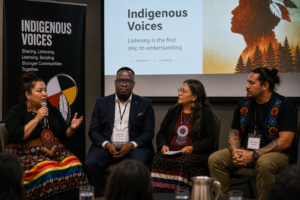
 Why Indigenous Understanding Belongs at the Centre of Newcomer Integration
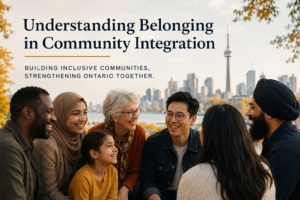
Ontario Integration Initiative
Building community-led systems for communities across Ontario.
OII works with communities, institutions, and partners to strengthen inclusion, civic participation, wellbeing, and pathways to opportunity.
Public Purpose
Working with communities, together!
Lasting integration, belonging, wellness, and opportunity cannot be built for people from the outside. They must be shaped with the people, families, organizations, institutions, and local leaders who understand community realities firsthand. Our approach is community-centred and partnership-driven. We listen to lived experiences, identify shared needs, co-design practical responses, and work with trusted partners to deliver programs, resources, events, and support systems that reflect real community priorities. Through this model, OII helps connect people to each other, strengthen local leadership, support inclusive participation, and turn community knowledge into action, evidence, and long-term public benefit.
Featured Work
Paths to Belonging: Land, Culture & Community
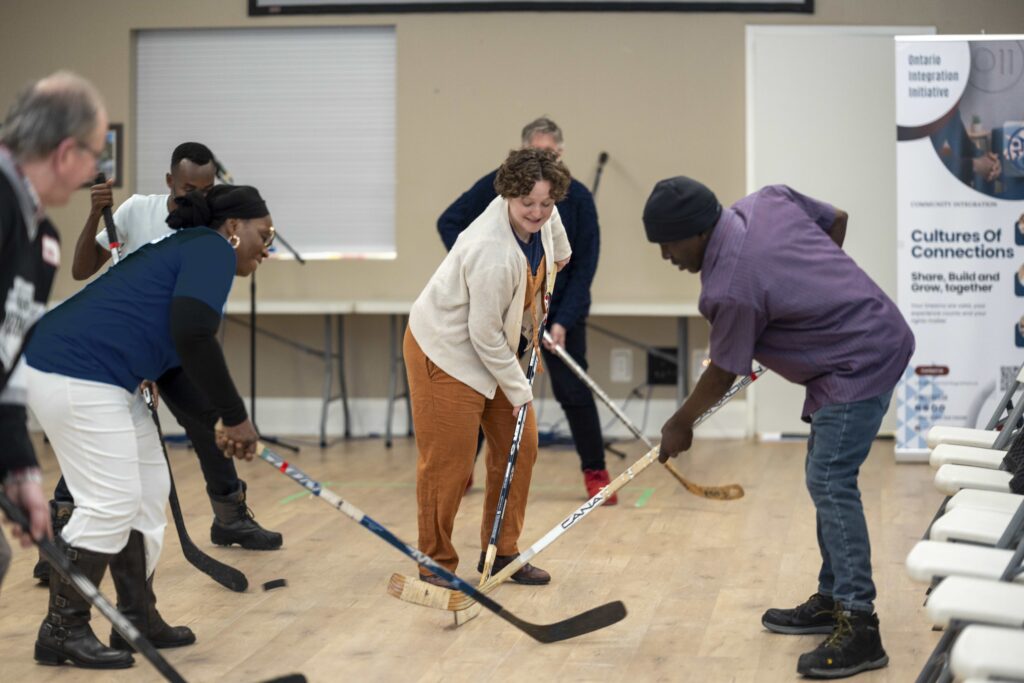
Paths to Belonging: Land, Culture & Community is a community-based cultural engagement project that brings together people of diverse backgrounds to celebrate multiculturalism, explore shared experiences, and strengthen connections across communities. Through cultural activities, artistic expression, community dialogue, wellness-focused engagement, and collaborative…
Explore this work →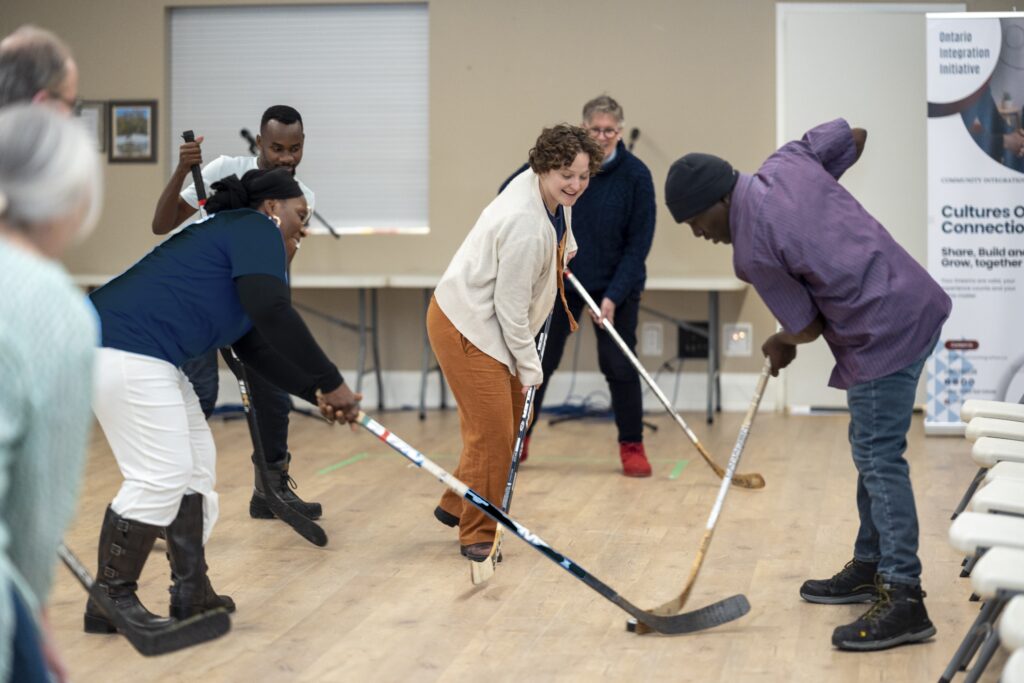
Latest Evidence
Recent activity briefs from the field.
Selected public-facing briefs showing how OII’s work is delivered, documented, and shared with community.
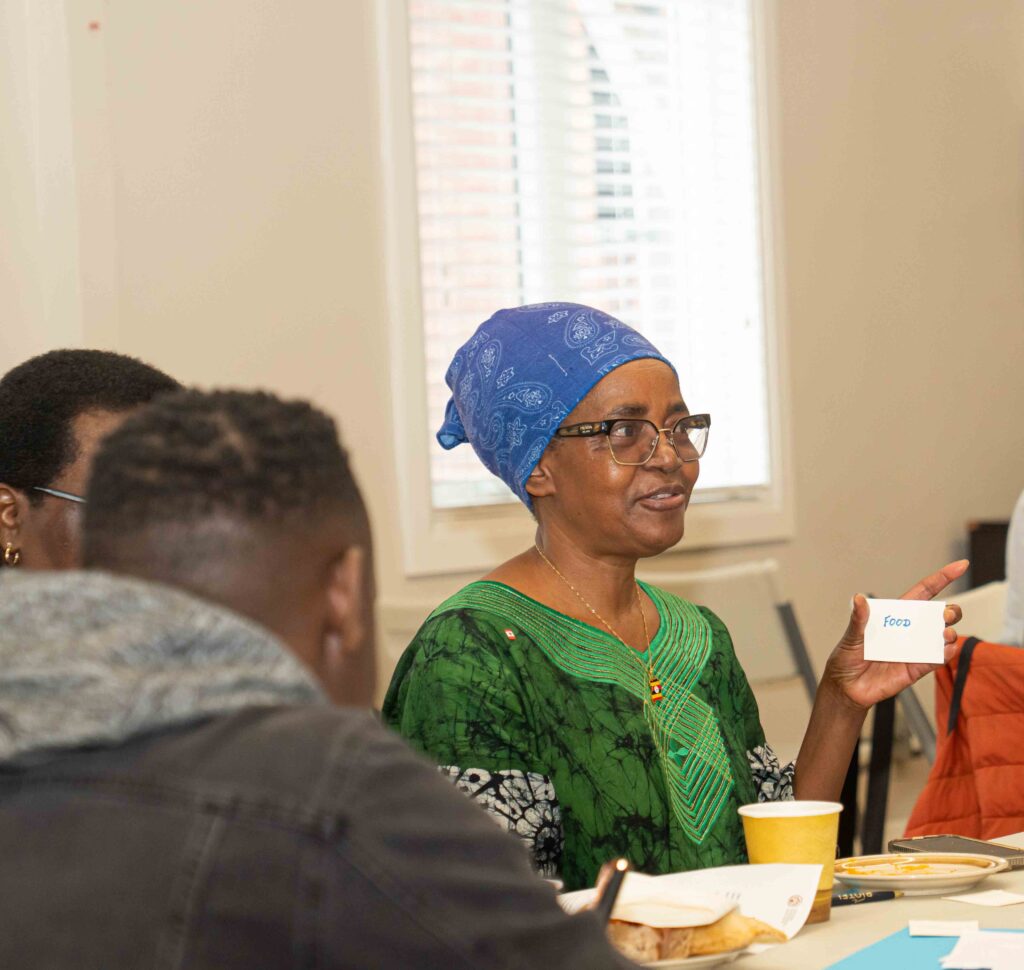
Stories of Arrival: Session one Report
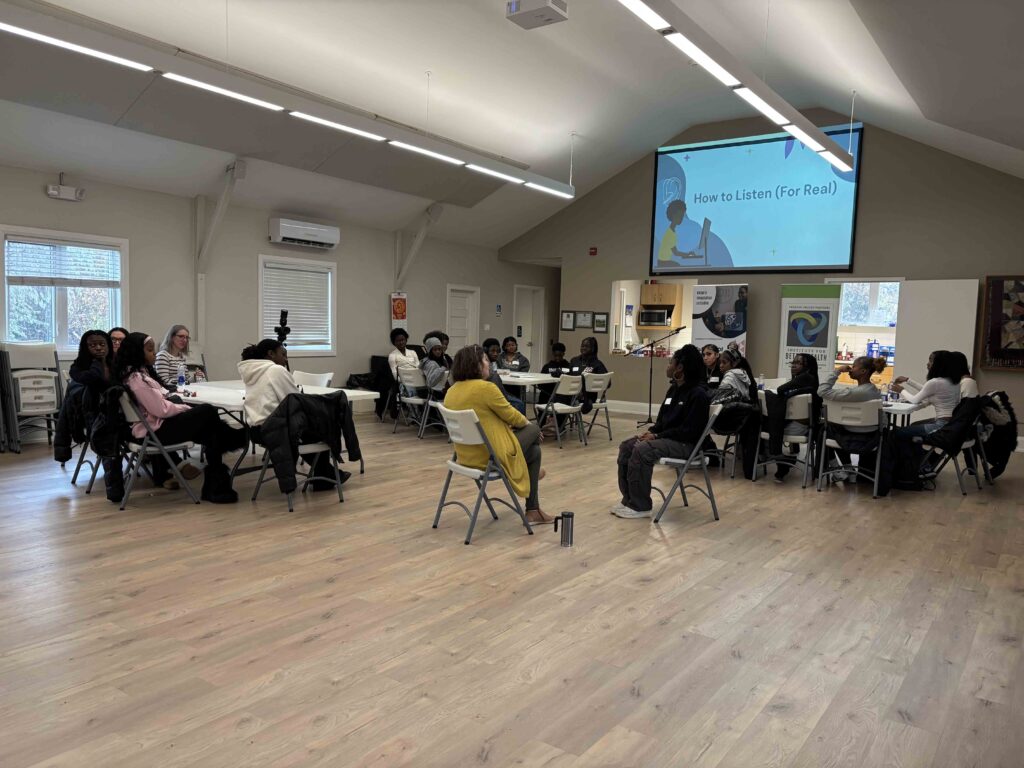
The Stories of Arrival & Welcome session successfully brought newcomers and long-time residents together to reflect on migration experiences, build trust, and identify support…
View Brief →
Voices from Community
Human experience is part of the evidence.
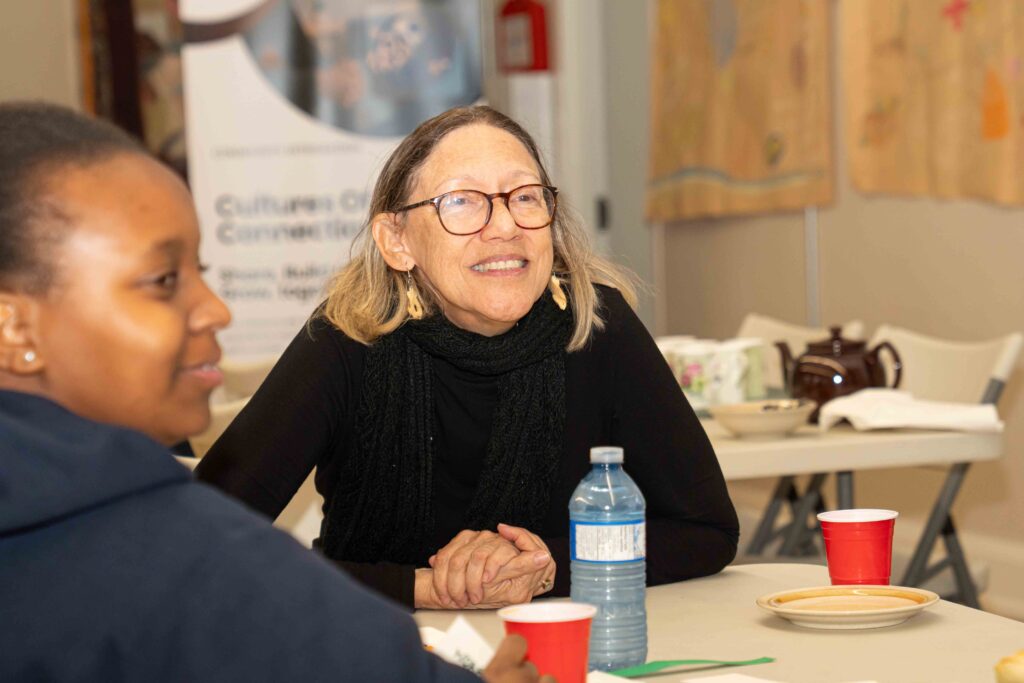
“OII creates spaces where people feel seen, welcomed, and connected to community.”
Community Participant
Program participant
“The work is thoughtful, grounded, and responsive to the needs of diverse communities.”
Community Partner
Partner organization
Impact Snapshot
Organized action. Visible evidence.
4 Corefocus areas
4 ActiveCommunity projects
LiveActivity evidence
GrowingPartner network
Ways to Engage