
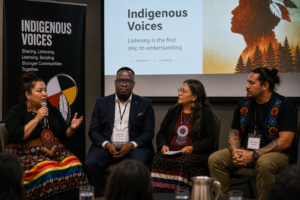
 Why Indigenous Understanding Belongs at the Centre of Newcomer Integration
Activity Brief
Youth Mental Health Co-Design Session 1 Report
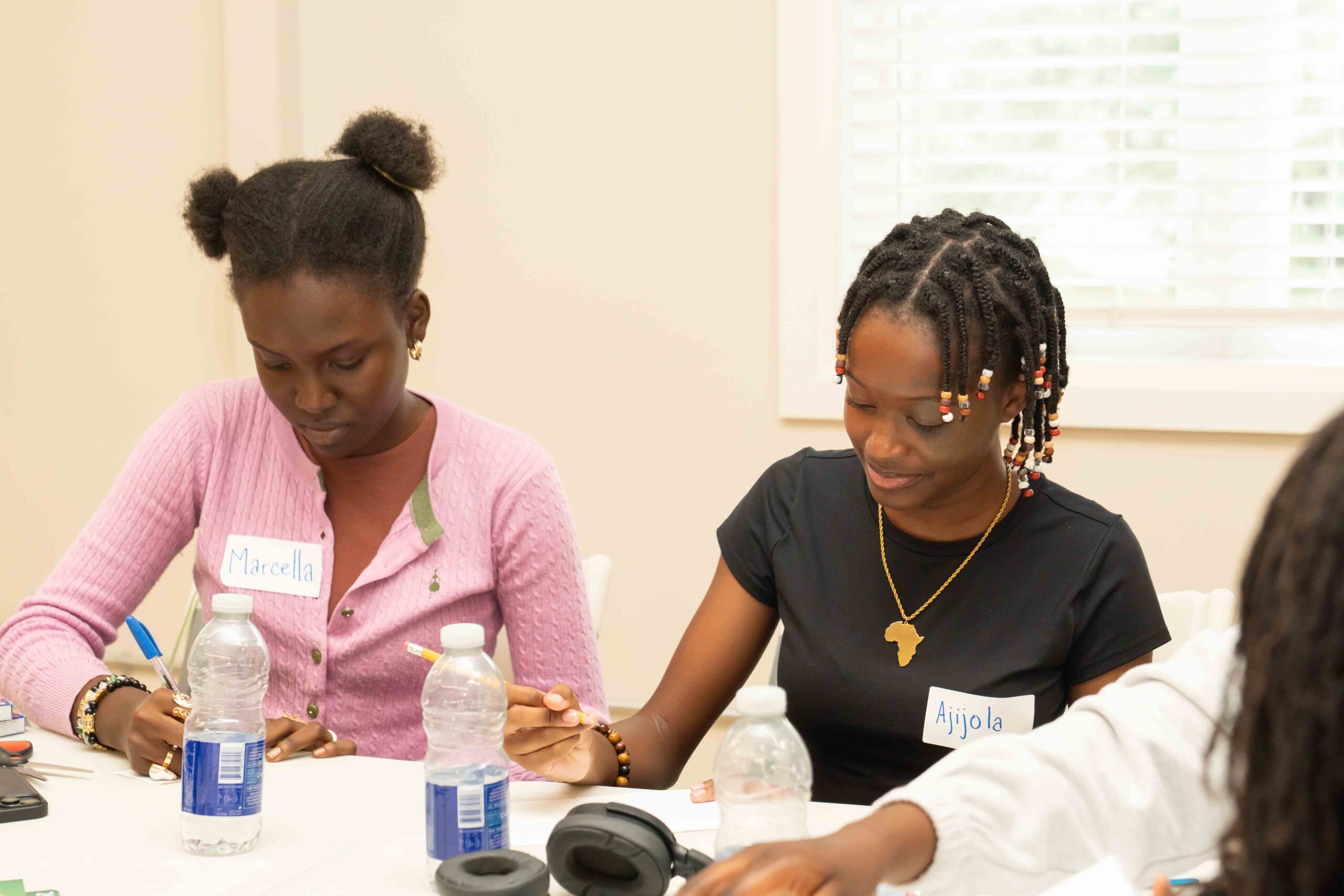
The August 19, 2025 session was delivered through an integrated education-dialogue-co-design model. It represented a clinically relevant, community-anchored breakthrough in youth engagement. It validated that when young people are trusted as knowledge-holders rather than passive recipients, mental health systems improve. 1. Clinical Education & Knowledge Translation Youth received structured learning grounded in neuroscience, public health, and mental health systems navigation. Topics included: Depression and anxiety as biopsychosocial illnesses The role of neurotransmitters and brain development Differences between normal emotional states and clinical diagnoses Medication vs therapy and combined treatment approaches Impact of cannabis, vaping, and substance use Sleep, exercise, nutrition, and neuroprotection Genetics and mental illness Confidentiality rights for youth in Ontario The educational content drew heavily from Q&A discussion materials provided to youth, addressing real questions raised during the session. 2. Myth-Busting Mental Health Misinformation Youth engaged in structured myth/fact exercises correcting misinformation such as: “Mental illness is weakness” “Mental illness lasts forever” “Parents must know if you seek help” “Counseling is only for crisis situations” These sessions improved understanding of confidentiality under PHIPA, Ontario consent laws, and youth autonomy in accessing health care. 3. Participatory Dialogue and Group Discussion Small and large-group conversations explored: Cultural barriers to services Fear of disclosure Intergenerational misunderstandings Racism and mental health School pressures and social media impact Help-seeking behaviors among peers Youth actively shared lived experience and co-produced insights into system failures and strengths. 4. Mental Health System Navigation Participants received a comprehensive directory of free and culturally responsive services across Peel including: Across Boundaries AMANI at CAMH African Community Services of Peel Youth Wellness Hubs Kids Help Phone Trillium Health Partners CAMHURS Peel Dufferin Crisis Response 988 Suicide Crisis Line This ensured youth left with clear escalation pathways and crisis support options 5. Youth Advisory Group Launch Youth were invited into a structured leadership pathway via the proposed Black Youth Mental Health Advisory Group, including: Advocacy training Resume-building experience Community engagement hours Honoraria or volunteer recognition
Related Work
More activity briefs from this project
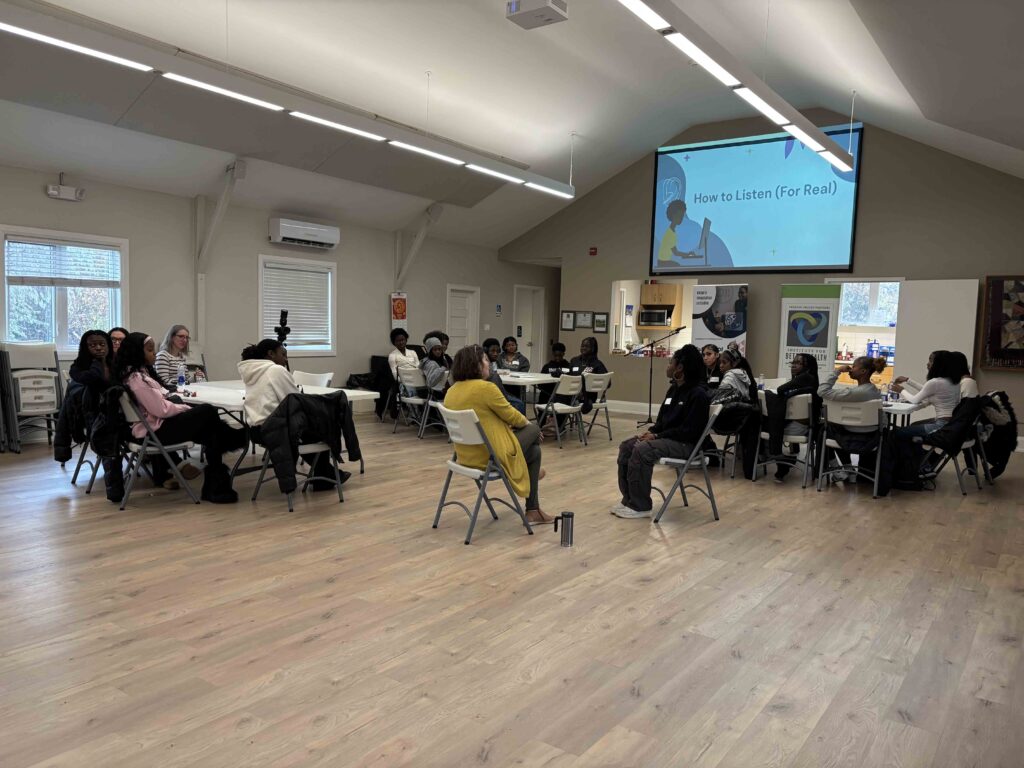
The Art of Listening and Being Heard: BAC YMHP Session 2 report
The November session shifted from primarily educational to experiential and embodied learning, emphasizing applied communication, emotional intelligence, and symbolic expression. It affirmed that listening…
View Brief →